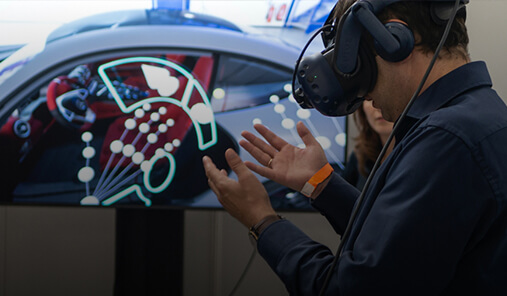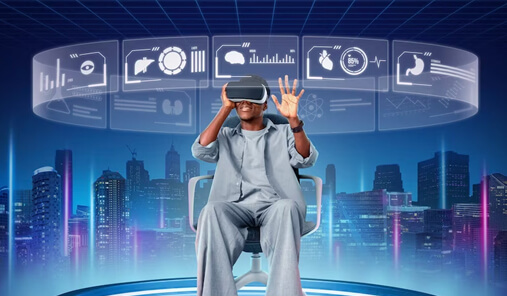

Metaverse tours are developed from current virtual tours that utilize 360-degree or 3D media technologies. They enable avatar representation and enhance immersion both psychologically and physiologically. This is achieved by promoting real-time interactions with other beings and elements in a virtual location.
The metaverse is transforming how we engage with history and culture. With the advent of virtual reality (VR), cultural tourism has become more accessible, immersive, and interactive than ever. Metaverse tours are developed from current virtual tours that utilize 360-degree or 3D media technologies.
Virtual reality (VR) enables cultural tourism within the metaverse and offers accessible, engaging, and immersive digital experiences of historical locations, fostering cultural understanding, heritage conservation, and educational opportunities from any global location. The metaverse presents various advantages, including improved engagement, the preservation of culture, and new economic prospects for local communities; however, it also faces drawbacks such as financial concerns, authenticity challenges, and potential cultural misrepresentation.
Digital tourism within the metaverse can generate new economic opportunities for local communities by highlighting their cultural heritage. It also attracts virtual visitors, particularly in areas with limited physical tourism.
Virtual excursions and interactive features, like 3D models and historical recreations, can enhance engagement. They also improve the effectiveness of learning about history.
Posted by Admin