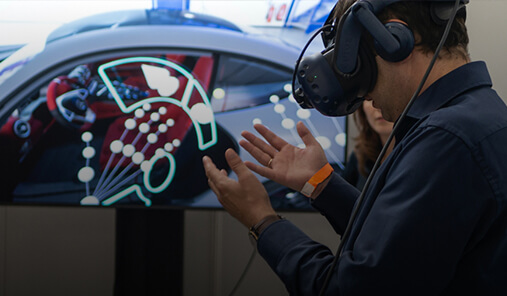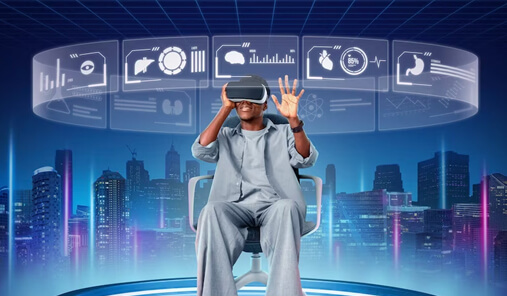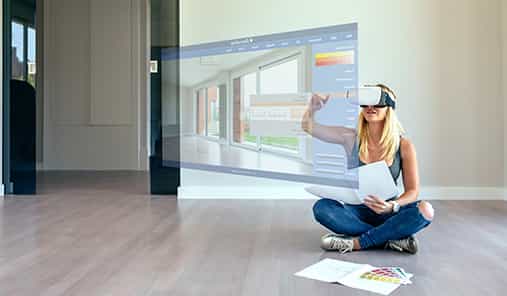
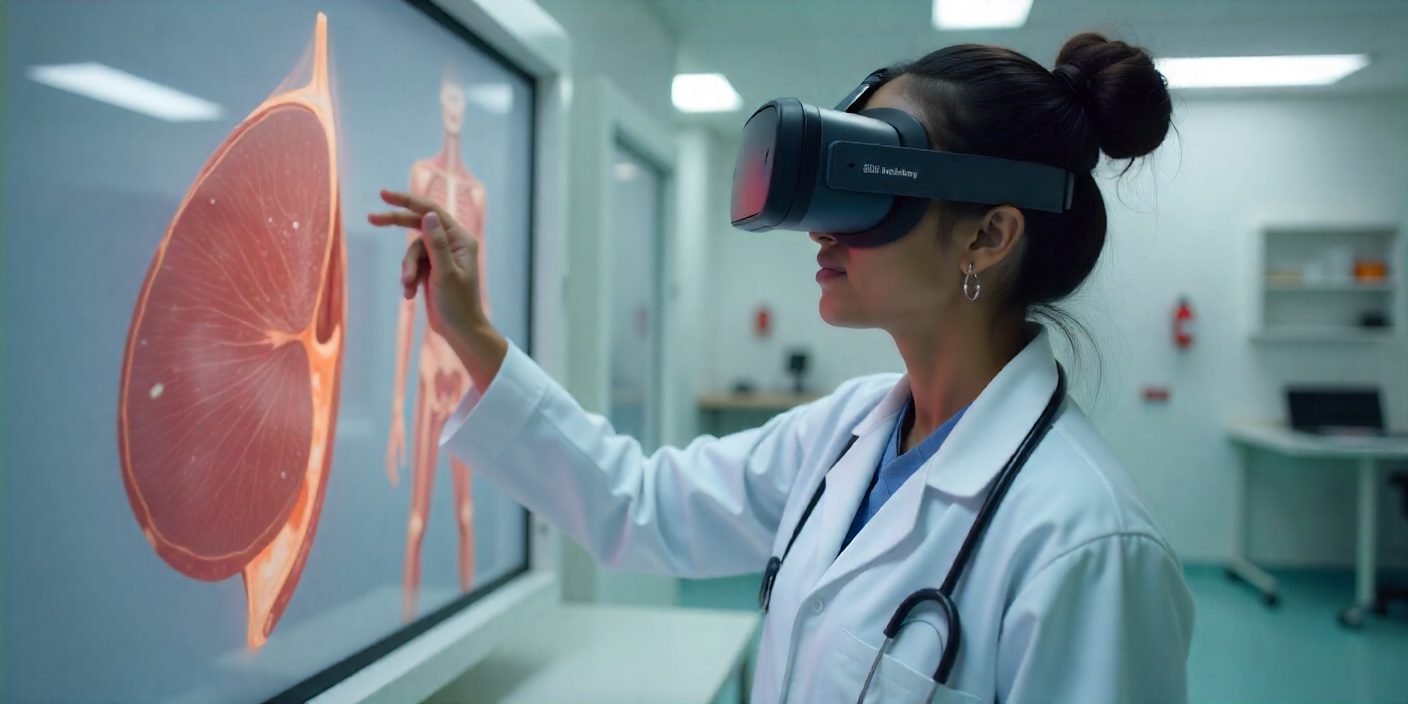
Healthcare is an essential sector in our society, but it can also be highly complex. Healthcare professionals, including doctors and nurses, strive to balance accuracy, empathy, and innovation to achieve the best results for their patients. With the swift advancements in technology, the healthcare field has entered an era where digital tools have become not just supportive but truly transformative. Among these advancements, Virtual Reality emerges as a revolutionary tool. What was once linked primarily to gaming and entertainment is now changing the way medical professionals learn, practice, and provide care. However, one of its most significant impacts is seen in medical training—equipping doctors and surgeons with immersive, risk-free experiences that traditional training methods cannot provide.
Medical professionals’ education has relied on textbooks, cadaver dissections, and hands-on training with real patients for hundreds of years. While offering the groundwork of contemporary medicine, these techniques have several difficulties of their own.
Medical professionals’ education has relied on textbooks, cadaver dissections, and hands-on training with real patients for hundreds of years. While offering the groundwork of contemporary medicine, these techniques have several difficulties of their own.
The use of VR technology in medical education is likely to increase rapidly as it becomes more instantly accessible and affordable. AI-driven virtual reality simulations that tailor to all learner’s skills or even use real-time biometric data to evaluate performance could grow more prevalent in the future.
Posted by Admin