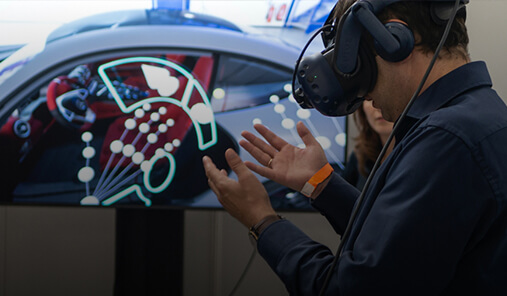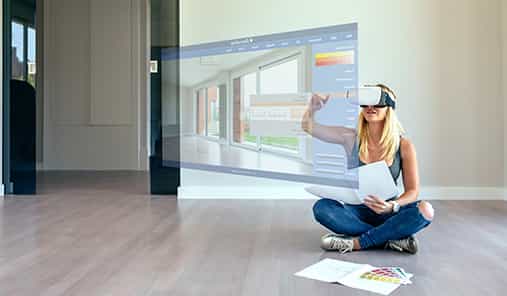

In 2025, Virtual reality (VR) has revolutionized interior design by allowing clients to experience their future areas in a realistic, multi-dimensional environment, enhancing decision-making, visualization, and collaboration. This technology offers real-time feedback, interactive design modifications, and immersive walkthroughs that eventually end up in more informed choices and more costly construction-related changes. Expect ever more customized, interactive, and environmentally friendly revolutionized interior design solutions as virtual reality develops. The integration of AI with the metaverse is expected to make interior design more accessible, immersive, and effective than in the past.
interior design has typically been driven by mood boards, 2D tactics, and sketches. Virtual reality (VR) moves a bit further by allowing clients to virtually visit their future homes or workspaces.You can move about each room, change the materials, lighting, furniture, and even the hues in the paint in real time.
Design choices tend to be misinterpreted. By showing the real final result, virtual reality eliminates this. Increasing client engagement with the creative process leads to improved client satisfaction and faster approvals.
Virtual Reality enables instant modifications. Many personal meetings and costly models are not as required since designers can test many layouts and finishes in a fraction of the time.
Users can view how products will fit and seem in their own surroundings in virtual reality-powered showrooms. This “try before you buy” approach increases consumer confidence and minimizes returns.
Virtual Reality decreases barriers in distance for clients which have distant or foreign projects. utilizing Virtual Reality the headgear or mobile applications, designers may develop immersive experiences that encourage collaboration anywhere users live.
Posted by Admin